
Obsolescence management: redesigning parts that went out of production
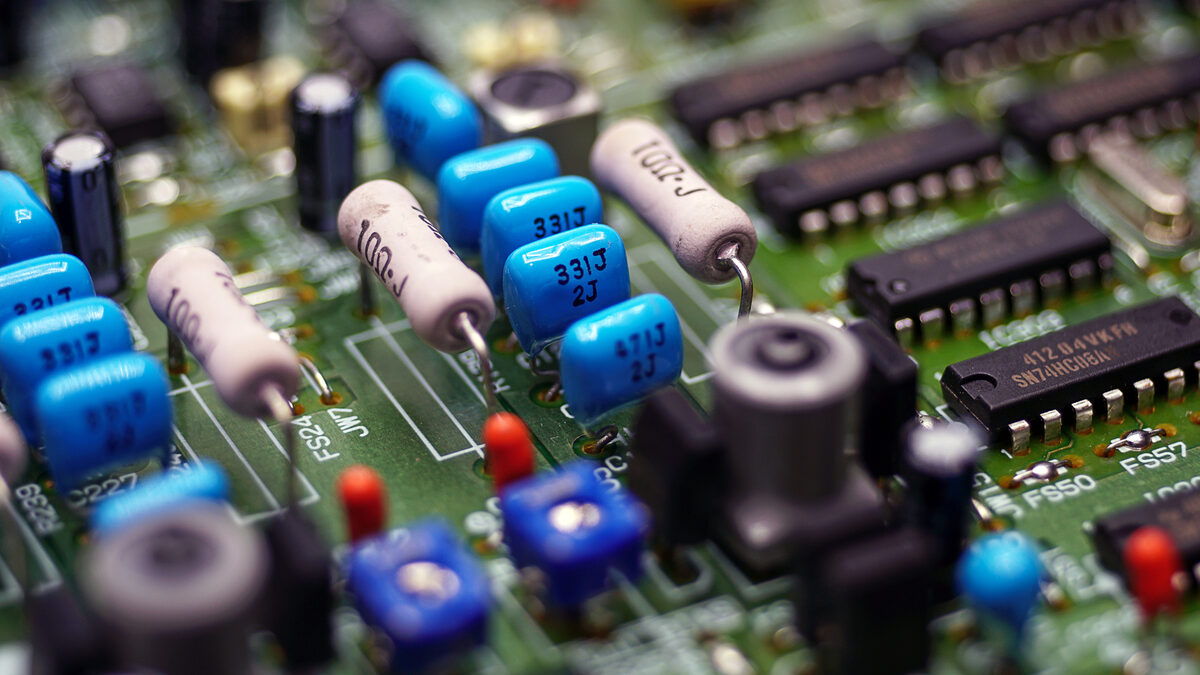
When a component "dies" and the line stops
Few problems halt production as quickly as a component that reaches end of life (EOL) and disappears from the market. VRI Indústria Eletrônica handles this with redesign and project updates — reverse engineering and drop-in replacement — to keep products alive without starting over from scratch.
Why obsolescence is a costly risk
- - Production lines paralyzed for lack of a single part
- - Last-minute purchases at inflated prices on the gray market
- - Quality risk when using components of dubious origin
- - Products pulled from the market before their time
How VRI's redesign works
Instead of redesigning the entire product, the work is surgical:
- 1. Analysis of the EOL component and of the electrical and mechanical
requirements
- 2. Search for a substitute that is functionally equivalent (drop-in when
possible)
- 3. Layout adaptation only where necessary
- 4. Validation of the assembly before returning to production
<Callout type="info"> A well-executed redesign is what prevents redoing an entire product because of a single part. The goal is to keep form, fit and function — changing the minimum. </Callout>
Who suffers most from EOL
Sectors with a long life cycle — medical, industrial, elevators, defense, agricultural — are the most exposed: the product stays in the field for years, but the components have a shorter useful life. For them, obsolescence management is not a luxury, it is business continuity.
Conclusion
Obsolescence is inevitable; being held hostage by it is not. With close engineering and drop-in redesign, you can extend the product's life with controlled risk.
Have a component going out of production? Talk to our sales team.